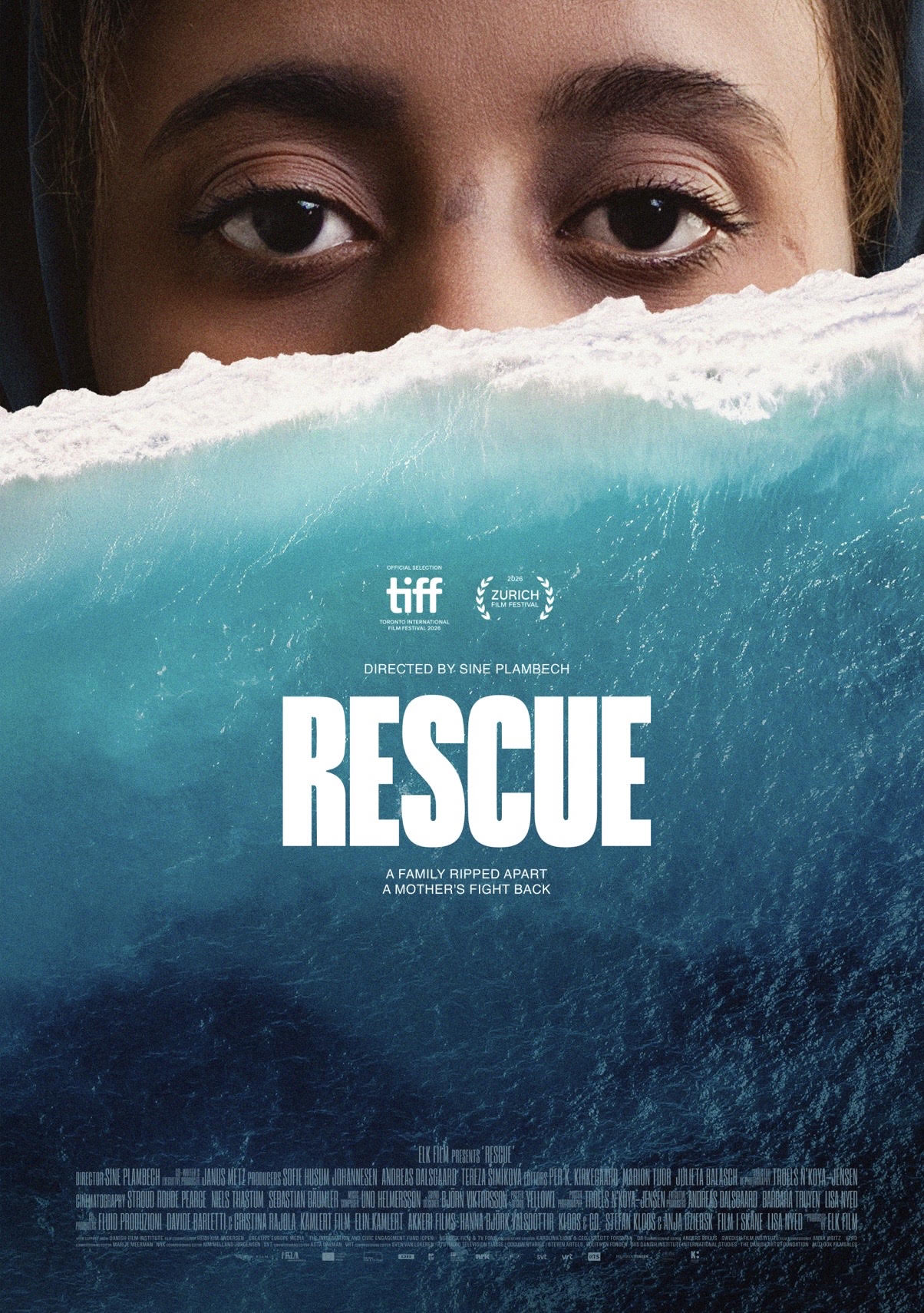
RESCUE - Research and Film on the Mediterranean
We follow migrants, militsias, rescuers at sea, and decision makers. We examine political challenges, everyday practices, human fates and stories, and humanitarian dilemmas on the Mediterranean.
RESCUE is a research and documentary film project on the Mediterranean approached from an anthropological perspective with fieldwork, interviews and data collection. En route we are working with visual anthropology to create the feature documentary film RESCUE in collaboration with some of the strongest filmmakers. The film is a visually strong and telling documentary for a broad non-scientific audience.
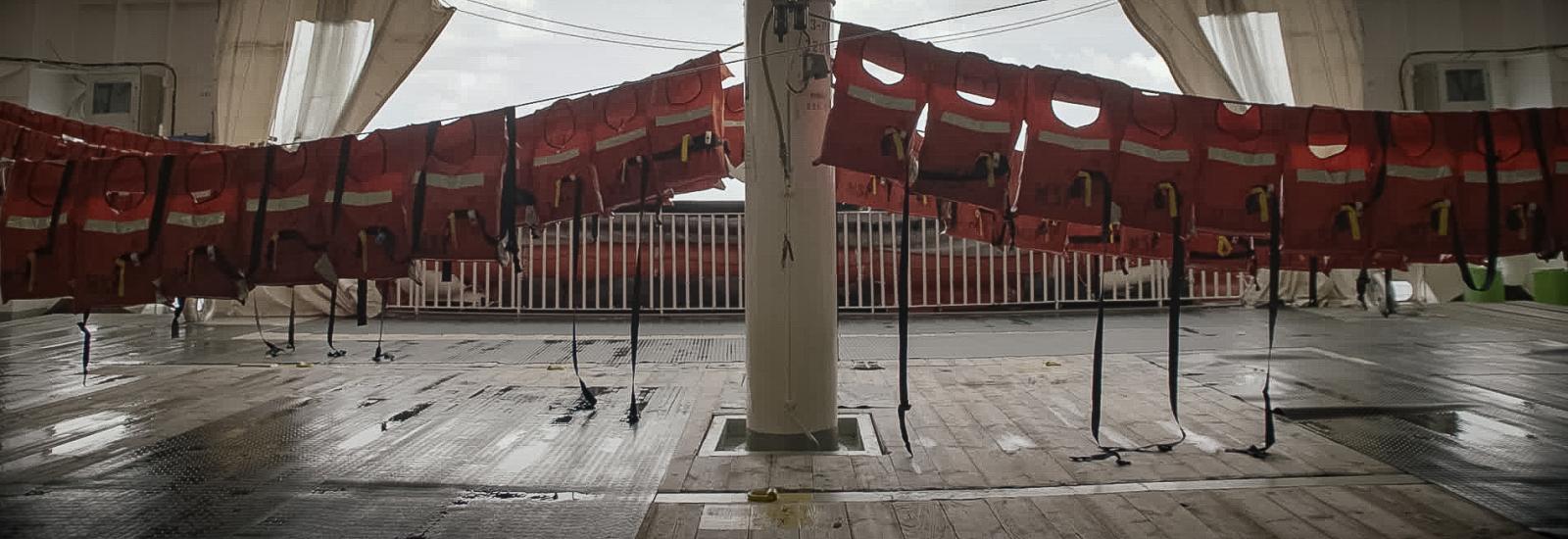
The project follows Médecins Sans Frontières on board their rescue vessel, the largest rescue vessel in the world. They are fighting to save lives on the Mediterranean, the deadliest migration route.
They meet and negotiate with Libyan militsias and smugglers while facing the consequences of EU externalization and that several countries have passed laws criminalizing these very rescue actions and humanitarian work at sea. On the one hand stands the humanitarian, medical and neutral principal of always saving lives, while on the other hand stands migration politics and the criminalization of humanitarian interventions.
The rescue and medical vessels are placed in the middle of this crossfield, dealing with difficult weather conditions while rescuing people from the sea in an increasing number of nightly rescue actions. On top of that comes political declarations concerning bans on rescue actions, demands on leaving migrants in European harbors far away from the rescue zone and instructions to sail migrants back to Libya and Tunesia.
We build on current migration research, to elaborate and examine this empirical, visual and theoretical crossfield between humanitarianism and criminalization, and where it leaves actors, migrants and decisionmakers.
RESCUE will also display the underlying conflicts between causal explanations to migration across the Mediterranean: one stating that death by drowning on the Mediterranean is due to profit reasoning of human traffickers, another stating that death by drowning is rooted in migration politics of the EU, where fewer legal options and restricted access to asylum creates irregular migration and thirdly, an explanation that seeks cause in the conflicts, unemployment, poverty and climate change, surrounding the outer frontiers of the EU.
We display that migrants and refugees have very complex and different personal reasons for crossing the Mediterranean. Some flee war, torture and poverty. Others are looking for freedom and a better life. All are human beings struggling to find another kind of life in the face of surmounting danger and inequality.
The project is produced by ELK FILM and funded by the EU’s Creative Europe Media Fund; The Danish Film Institute; Danish Institute for International Studies and a number of European broadcasters.
The project is supported by The Ministry of Foreign Affairs of Denmark.
“It’s powerful and highlights the human cost of these dreadful policies, and the resilience of women”
RogerEbert.com
“Rescue is one of the best documentaries covering an increasingly prevalent situation that threatens lives every day”
ASYNCHRONOUS MEDIA
“It’s a bravura fusion of cinematic engagement and sociological inquiry that uses an emotional hook to implore audiences to consider the bigger picture... Every frame resonates with palpable urgency.”
POV
“Director Sine Plambech presents a story that’s equal parts harrowing and intimate, and the result is often astonishing, with revelations that linger long after the credits roll.”
THE WRAP
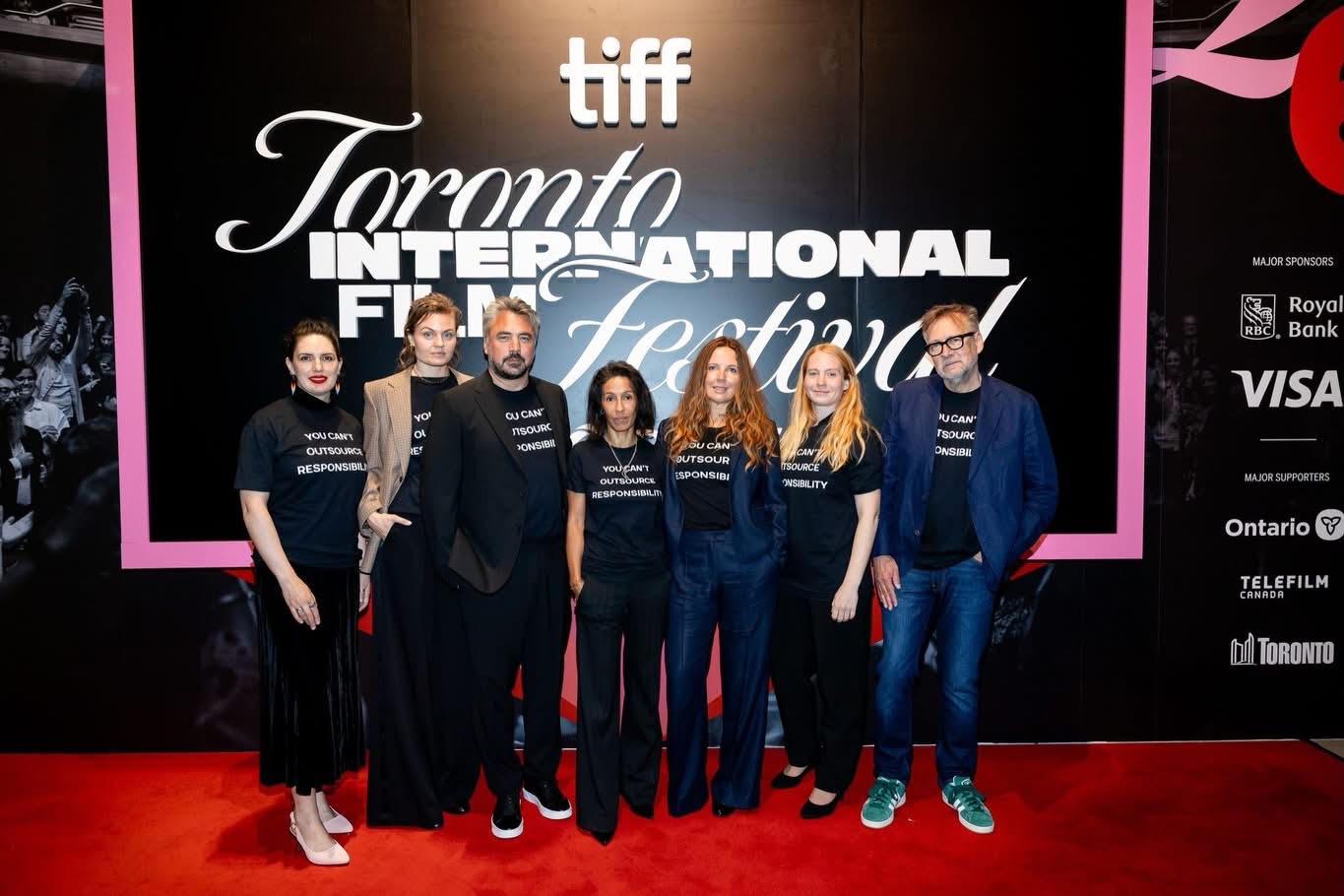
The film is selected to have its World Premiere at the Toronto International Film Festival
Here the programmer of TIFF describes RESCUE:
Rescue opens with a harrowing abduction in the waters of the Mediterranean close to the Libyan coast. Director Sine Plambech and her film crew are accompanying the Geo Barents, a rescue ship operated by Doctors Without Borders that’s trying to save a rubber boat packed with migrants in distress. Suddenly, a third vessel approaches, piloted by Libyan militia members. During a frantic scramble in the open water, some migrants are snatched by the militias, while others reach the Geo Barents. One of the rescued migrants, Hani, tells the film crew he has just been separated from his family. His wife Roro, his young son, and their two-month old daughter have been kidnapped by the militia.
That’s the start of an epic journey that Plambech continues to film over several months. The militias hold captives for ransom, while the European Union quietly funnels billions of euros to North African countries to halt migration. Normally, these tragedies take place beyond the reach of cameras. But in this case, Roro has managed to hide a cell phone in her baby’s diaper and is able to share what’s happening to her with Hani, who never gives up believing they can be reunited.
The story is so dramatic that you frequently need to remind yourself that it’s a documentary. That’s a credit to Plambech, who has honed her skills as an anthropologist and filmmaker over many years, and works here with an elite team. We are in their debt for the revelations that take place.
– Thom Powers